Home
Home
The Scale of the Problem Is Staggering
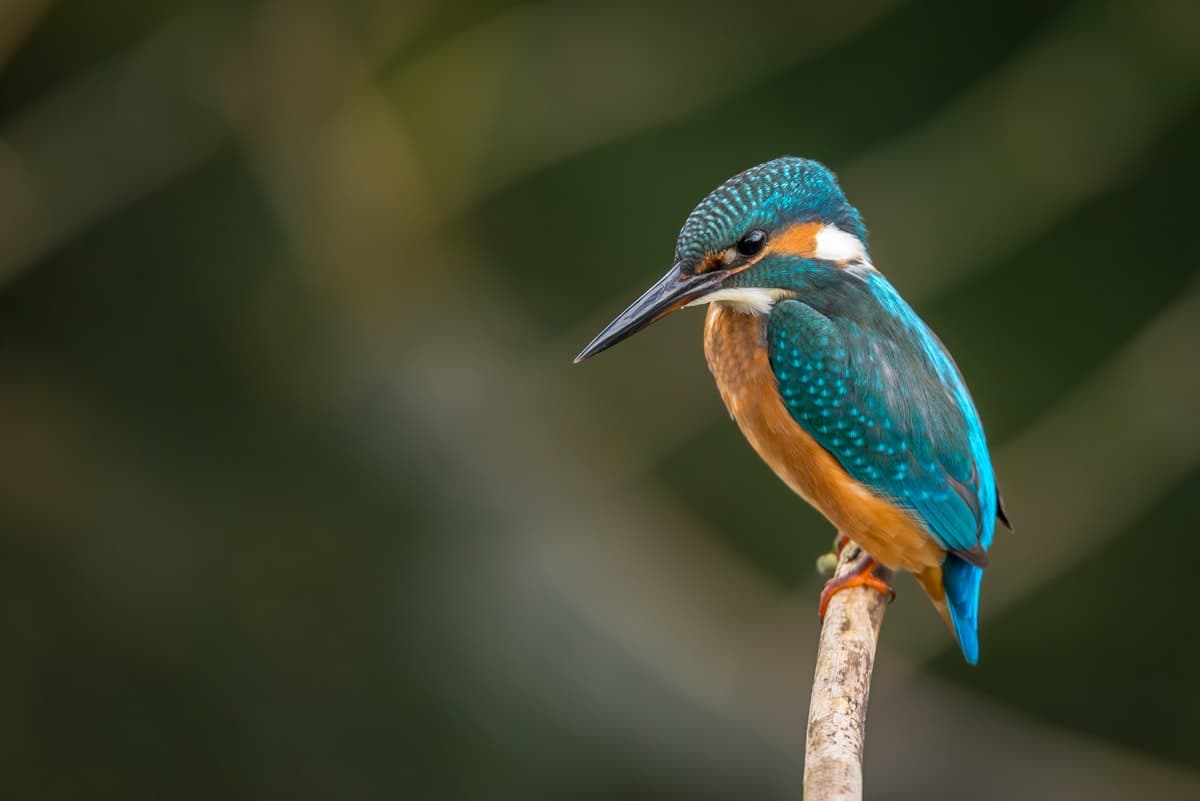
Outdoor and feral cats are the single largest human-caused source of bird and small mammal mortality in the United States. A landmark 2013 study published in Nature Communications estimated that free-ranging cats kill between 1.3 and 4.0 billion birds and 6.3 to 22.3 billion mammals annually in the US alone. These numbers are so large they’re hard to contextualize — but they represent a genuine conservation crisis that affects ecosystems from suburban backyards to wilderness areas.
This isn’t about demonizing cats. Cats are predators by nature — their hunting instinct is hardwired and operates independently of hunger. A well-fed house cat will still hunt because the predatory sequence (detect, stalk, chase, pounce, kill) is a self-rewarding behavior driven by instinct rather than nutritional need. The solution isn’t to blame cats for being cats — it’s to manage their outdoor access in ways that protect both cats and wildlife.
Why Keeping Cats Indoors Is the Single Best Solution
Indoor cats live an average of 12 to 18 years. Outdoor cats average 2 to 5 years. The lifespan difference alone makes a compelling case for indoor living, and the reasons extend beyond predation: cars, coyotes, disease transmission, parasites, territorial fights with other cats, and human cruelty all pose serious risks to outdoor cats. An indoor cat who’s provided with adequate enrichment lives a longer, healthier, safer life while eliminating their impact on local wildlife.
For cats who are currently outdoor or indoor-outdoor, the transition to full-time indoor living requires patience and enrichment investment. Window perches, cat trees, interactive toys, puzzle feeders, and scheduled play sessions replace the stimulation they previously got from outdoor access. Catios — enclosed outdoor spaces connected to the house — provide the best of both worlds, which is why we created a complete guide to building a DIY catio on a budget.

If Your Cat Goes Outside: Reducing Their Hunting Impact
BirdsBeSafe Collar Covers
These brightly colored, rainbow-patterned collar covers have been scientifically tested and shown to reduce bird catches by 87 percent. Birds have excellent color vision and the vivid patterns alert them to the approaching cat before the cat gets within striking distance. They’re inexpensive ($10-12), washable, and easy to attach to any breakaway collar.
Bell Collars
The traditional approach — attaching a bell to your cat’s collar — reduces hunting success by approximately 50 percent for birds and a smaller percentage for mammals. While less effective than BirdsBeSafe covers (some cats learn to stalk silently even with a bell), a bell combined with a colorful collar cover provides a meaningful reduction in kills.
Timing Outdoor Access
The most dangerous times for wildlife are dawn and dusk, when birds are most active at feeders and on the ground. Keeping your cat indoors during these peak periods and allowing supervised outdoor time during midday significantly reduces encounters with vulnerable wildlife.
Making Your Yard Less Dangerous for Wildlife
Strategic landscaping can reduce predation opportunities. Place bird feeders at least 10 feet from any cover that a cat could hide behind — fences, bushes, or structures. Mount feeders on poles with baffles that prevent climbing. Provide dense, thorny shrubs near feeders where birds can retreat quickly from predators. Native plantings like hawthorn, holly, and rose bushes create natural shelters that birds can navigate but cats cannot easily penetrate.
Remove or block access to ground-level nesting areas during breeding season. Low hedges, brush piles, and ground-cover plantings that attract ground-nesting birds are particularly vulnerable to cat predation. If you know birds are nesting in your yard, keeping your cat indoors or in an enclosed space during the nesting period (typically March through August) provides critical protection during their most vulnerable time.

The Feral Cat Question
Feral cats — unowned free-roaming cats — account for the majority of wildlife kills. Trap-Neuter-Return (TNR) programs are the most widely endorsed approach to managing feral cat populations humanely. TNR involves trapping feral cats, sterilizing them, and returning them to their territory. While returned cats continue to hunt, the colony gradually shrinks as no new kittens are produced, reducing long-term predation pressure.
Supporting local TNR programs, reporting feral cat colonies to organizations that manage them, and never abandoning or dumping domestic cats outdoors (which creates new feral populations) are all meaningful contributions. The broader effort to protect wildlife at the community level, from maintaining wildlife-friendly urban gardens to responsible pet ownership, creates an ecosystem where cats and wildlife can coexist with less conflict.
Coexistence Is Possible
The goal isn’t to choose between loving cats and protecting wildlife — it’s to find management strategies that serve both. Indoor living, catios, collar deterrents, strategic landscaping, and community TNR programs all contribute to a world where cat owners can enjoy their companions while giving birds and small mammals a fighting chance. Every small change adds up, and the wildlife in your backyard will be the first to benefit.