Home
Home
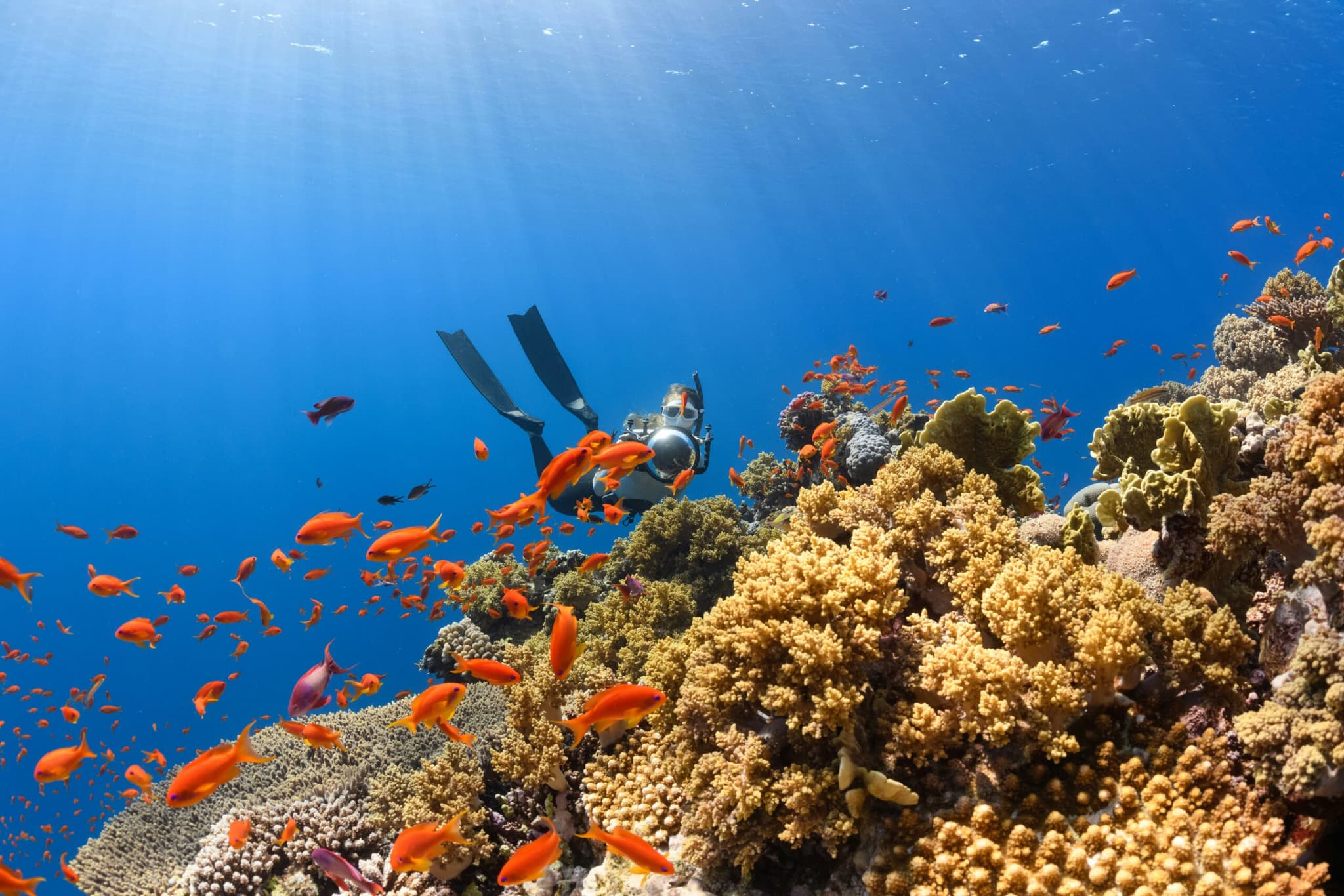
Coral reefs support marine wildlife ecosystems by providing essential habitat, food sources, and breeding grounds for over 25% of all ocean species, despite covering less than 1% of the ocean floor. These underwater rainforests create complex three-dimensional structures that serve as the foundation for some of Earth’s most biodiverse ecosystems, supporting everything from microscopic plankton to massive sharks.
Understanding how coral reefs function as marine wildlife support systems reveals why their protection is crucial not just for ocean health, but for the entire planet’s ecological balance. From tiny cleaner shrimp to migrating sea turtles, countless species depend on coral reefs for survival in ways that might surprise you.
The Foundation of Marine Biodiversity
Coral reefs are living structures built by tiny animals called coral polyps, which form colonies over thousands of years. These polyps have a symbiotic relationship with zooxanthellae algae, which provide up to 90% of the coral’s energy through photosynthesis. This partnership creates the foundation for an entire ecosystem that supports marine wildlife in multiple interconnected ways.
The three-dimensional structure of coral reefs creates countless microhabitats within a relatively small area. A single coral head might shelter dozens of species, from small gobies hiding in crevices to larger predators patrolling the outer edges. This structural complexity is what makes coral reefs up to 100 times more productive than the open ocean in terms of biomass production.
Different reef zones support different communities of marine life. The reef flat hosts species adapted to shallow, warm waters and occasional exposure during low tides. The reef crest, where waves break, supports species that thrive in high-energy environments. The fore reef slope extending into deeper water provides habitat for larger pelagic species and deep-water specialists.
Food Web Dynamics in Coral Reef Systems
Coral reefs support marine wildlife through intricate food webs that begin with primary producers. Zooxanthellae within coral tissues, along with various algae species, form the base of the reef food chain. These producers support herbivorous fish like parrotfish and surgeonfish, which in turn feed carnivorous species.
The efficiency of nutrient cycling in coral reefs is remarkable. In nutrient-poor tropical waters, reefs create oases of productivity through tight recycling of available nutrients. Coral mucus alone feeds numerous species of bacteria and small invertebrates, which then support larger organisms. This mucus production can account for up to 40% of the reef’s total organic carbon production.
Small fish species play crucial roles in transferring energy up the food chain. Damselfish cultivate algae gardens that feed numerous invertebrates. Cleaner wrasses remove parasites from larger fish, supporting the health of the entire community. These cleaning stations become focal points where predators and prey interact peacefully, demonstrating the complex behavioral adaptations that coral reefs foster.
Nocturnal feeding adds another dimension to reef productivity. Many species that shelter in the reef during the day venture out at night to feed in surrounding areas, then return to the reef where their waste products fertilize the coral community. This daily migration of nutrients from open water to the reef helps maintain the system’s high productivity.
Shelter and Protection Services
The complex architecture of coral reefs provides unparalleled shelter for marine wildlife. Every crack, crevice, and overhang offers protection from predators and strong currents. Juvenile fish find refuge in branching corals like staghorn and elkhorn species, where their small size allows them to escape into spaces predators cannot reach.
Different coral growth forms support different shelter needs. Table corals create shaded areas underneath where species can escape intense tropical sunlight. Brain corals with their convoluted surfaces provide numerous small hiding spots for invertebrates. Soft corals sway with currents, creating dynamic environments where small fish can hide among the polyps.
The protection services extend beyond physical shelter. Many reef species have evolved remarkable camouflage to blend with specific coral types. Pygmy seahorses match the color and texture of gorgonian corals so perfectly they were only discovered when scientists collected coral specimens. Frogfish can change color to match their surroundings, becoming nearly invisible against coral surfaces.
Reef structures also modify water flow patterns, creating calm areas where less powerful swimmers can rest and feed. These hydraulic refuges are especially important for larval fish and invertebrates that would otherwise be swept away by currents. The reef’s influence on water movement can extend hundreds of meters beyond the actual coral structures.
Breeding and Nursery Functions

Coral reefs serve as critical breeding grounds and nurseries for countless marine species, including many that spend their adult lives in other habitats. The protection and abundant food sources reefs provide make them ideal locations for vulnerable young animals to grow and develop.
Many commercially important fish species depend on coral reefs during their juvenile stages. Snappers, groupers, and emperors often begin life on coral reefs before moving to deeper waters as adults. This nursery function means that healthy coral reefs are essential for maintaining fish populations across much wider areas of ocean.
The timing of reproductive events on coral reefs demonstrates remarkable synchronization. Mass coral spawning events, triggered by lunar cycles and water temperature, create feeding bonanzas for planktivorous species. Fish spawning aggregations often coincide with these events, taking advantage of the abundance of food for their offspring.
Sea turtles regularly return to coral reef areas for breeding, with reefs providing both food and shelter during mating season. The hawksbill turtle specializes in eating sponges found on coral reefs, making these ecosystems essential for their survival. Green turtles graze on algae growing on dead coral surfaces, helping maintain the balance between coral and algae growth.
Symbiotic Relationships and Specialized Adaptations
Coral reefs foster numerous symbiotic relationships that demonstrate how these ecosystems support marine wildlife through cooperation rather than just competition. The classic example of clownfish and sea anemones shows how species can evolve mutual dependencies that benefit both partners.
Cleaner stations on coral reefs represent convergent evolution of cooperative behavior. Cleaner fish, shrimp, and even some juvenile species provide parasite removal services to larger fish. These cleaning relationships are so important that the absence of cleaners can lead to increased disease and reduced fish populations on a reef.
Many species have evolved specialized feeding adaptations specifically for coral reef environments. Butterflyfish have elongated snouts for picking small invertebrates from coral crevices. Parrotfish have evolved powerful beaks and specialized digestive systems to scrape and process algae from coral surfaces, inadvertently helping control algae growth that might otherwise smother corals.
The relationship between corals and their resident fish communities goes both ways. Certain damselfish species actively defend their coral homes from crown-of-thorns starfish and other coral predators. Some fish species even help corals by increasing water flow over coral surfaces through their swimming movements, enhancing the coral’s ability to capture food and exchange gases.
Chemical Ecology and Communication
Coral reefs support marine wildlife through complex chemical communication systems that we’re only beginning to understand. Corals release chemical compounds that attract certain fish species while repelling others. These chemical cues help structure reef communities and maintain species diversity.
Fish use chemical signals to find appropriate habitat, locate mates, and avoid predators. Larval fish can detect chemical signatures from healthy reefs from considerable distances, guiding them to suitable settlement sites. This chemical navigation system ensures that reef fish populations can replenish themselves even when adult spawning grounds are far from nursery areas.
Some coral reef species produce defensive chemicals that have evolved into important ecological tools. Soft corals and sponges often contain toxins that deter predators, and some fish species have evolved to sequester these toxins for their own defense. The relationship between toxic sponges and sponge-eating angelfish demonstrates how chemical defenses drive evolutionary adaptations.
The breakdown of this chemical communication system due to ocean acidification and pollution represents a serious threat to reef ecosystems. When coral reef chemical cues are disrupted, fish larvae may fail to find suitable habitat, predator-prey relationships can break down, and the entire community structure may shift.
Migration Routes and Connectivity
Coral reefs serve as crucial waypoints for migratory marine species, supporting wildlife that travels vast distances across oceans. Many pelagic species like sharks, rays, and large predatory fish use coral reefs as stopping points for feeding and rest during long migrations.
The connectivity between coral reefs creates marine highways that support genetic diversity and population resilience. Larval dispersal between reefs maintains genetic flow and allows recolonization of damaged areas. Ocean currents connect distant reefs, creating networks of interdependent ecosystems that support marine wildlife across entire ocean basins.
Whale sharks, the ocean’s largest fish, aggregate at certain coral reefs during specific seasons to feed on fish spawn and plankton concentrated by reef-driven currents. These predictable aggregations demonstrate how coral reefs support even species that don’t live permanently on the reef.
Seabirds also depend on coral reef productivity, with many species nesting on islands near coral reefs where they can easily access abundant fish populations. The nutrients transferred from sea to land by these birds help maintain terrestrial ecosystems, showing how coral reef influences extend beyond the ocean.
Climate Regulation and Environmental Services

Beyond direct wildlife support, coral reefs provide environmental services that maintain conditions suitable for marine life across vast ocean areas. Reefs dissipate wave energy, creating calmer waters in their lee where seagrass beds and mangroves can establish. These connected ecosystems support even more marine wildlife diversity.
The role of coral reefs in carbon cycling affects ocean chemistry on regional scales. Healthy reefs can be net carbon sinks, helping regulate CO2 levels in seawater. This regulation maintains pH levels suitable for shell-forming organisms and other pH-sensitive species throughout the surrounding ocean.
Coral reefs influence local weather patterns by affecting sea surface temperatures and evaporation rates. The thermal mass of reef structures moderates temperature extremes, creating more stable conditions for temperature-sensitive species. This temperature buffering becomes increasingly important as climate change causes more frequent marine heatwaves.
The three-dimensional structure of reefs creates upwelling patterns that bring nutrient-rich deep water to the surface. This reef-driven circulation enhances productivity in surrounding waters, supporting marine wildlife populations far beyond the reef itself. For pet owners interested in marine life and conservation, understanding these connections highlights why reef protection matters globally. Learn more about conservation efforts in our guide on how climate change is affecting wildlife populations.
Threats to Coral Reef Wildlife Support Systems
Understanding how coral reefs support marine wildlife also means recognizing the threats that compromise these support systems. Climate change causes coral bleaching, where stressed corals expel their zooxanthellae partners, disrupting the entire food web foundation. Without healthy corals, the complex architecture that provides shelter and breeding habitat degrades.
Overfishing disrupts the delicate balance of reef ecosystems by removing key species. The loss of herbivorous fish can lead to algae overgrowth that smothers corals. Removing top predators causes cascading effects throughout the food web, potentially leading to population explosions of coral-eating species.
Pollution from agricultural runoff and coastal development creates conditions where algae and filter-feeding organisms dominate over corals. This phase shift from coral-dominated to algae-dominated reefs dramatically reduces the ecosystem’s ability to support diverse marine wildlife communities.
Ocean acidification, caused by increased CO2 absorption, makes it harder for corals and other calcifying organisms to build their skeletons. This affects not just corals but also many of the invertebrates that form the base of reef food webs. The compound effects of multiple stressors can push reef ecosystems past tipping points where recovery becomes impossible.
For those interested in how human activities impact marine ecosystems, our article on how plastic pollution affects wildlife provides additional context on conservation challenges.
Conservation Success Stories and Future Outlook
Despite the challenges, conservation efforts show that coral reef ecosystems can recover when given proper protection and management. Marine protected areas where fishing is regulated or prohibited often show dramatic increases in fish biomass and species diversity within just a few years.
Coral restoration techniques are advancing rapidly, with scientists developing more resilient coral varieties through selective breeding and assisted evolution. These efforts focus not just on rebuilding reef structure but on maintaining the ecological functions that support marine wildlife.
Community-based conservation programs that involve local stakeholders in reef protection have proven particularly effective. When coastal communities understand how coral reefs support the fish populations they depend on, they become powerful advocates for reef conservation.
International cooperation through agreements like the Coral Triangle Initiative demonstrates how protecting coral reef ecosystems requires coordinated efforts across national boundaries. These large-scale conservation efforts recognize that marine wildlife doesn’t respect political borders and neither should conservation efforts.
The Interconnected Ocean: Why Coral Reef Conservation Matters

The way coral reefs support marine wildlife ecosystems extends far beyond their immediate boundaries. Through nursery services, migration support, and ecosystem connectivity, healthy coral reefs maintain marine biodiversity across entire ocean basins. Their influence on ocean chemistry, circulation patterns, and food webs makes them keystone ecosystems whose health affects marine life worldwide.
For the 500 million people who depend directly on coral reefs for food and livelihoods, understanding these support systems isn’t just academic—it’s essential for survival. The ecosystem services coral reefs provide, from fisheries support to coastal protection, are valued at nearly $10 trillion annually, making their conservation an economic as well as ecological imperative.
As we face unprecedented challenges from climate change and human impacts, protecting coral reefs becomes crucial for maintaining ocean health. Every action to reduce carbon emissions, minimize pollution, and support sustainable fishing practices helps preserve these remarkable ecosystems and the marine wildlife they support.
The future of coral reefs depends on immediate action combined with long-term commitment to ocean conservation. By understanding how intricately coral reefs support marine wildlife ecosystems, we can better appreciate why their protection deserves global priority. Whether through supporting conservation organizations, making sustainable seafood choices, or simply spreading awareness, everyone can contribute to protecting these underwater treasures.
For more information on how individuals can contribute to wildlife conservation efforts, explore our guide on how eco-friendly practices help protect the planet’s species.
The story of coral reefs is ultimately one of connection—between species, between ecosystems, and between the ocean’s health and our own. Understanding and protecting these connections ensures that coral reefs can continue supporting marine wildlife for generations to come.