Home
Home
Bird Safety Starts at Home
Our pets share our neighborhoods with a diverse array of birds. While they add color and life to our yards, they can also become accidental hazards for feathered neighbors. Pet owners can make simple, practical changes that reduce risks and support local bird populations. The goal is to create surroundings where birds can feed, drink, and move safely without feeling threatened by our four-legged companions or by everyday household routines. By adopting a simple, staged approach, you can transform your home into a safer habitat for birds while maintaining a welcoming, pet-friendly living space.
Protecting birds doesn’t require a drastic lifestyle shift. It means thoughtful planning, gentle supervision, and a willingness to adjust feeding and play areas. When you see birds thriving near your home, you’re witnessing a small win for local ecosystems. Here are five actionable ways to help wild birds stay safe while keeping a peaceful home for your pets. In addition to the core actions, you’ll find practical tweaks, seasonal considerations, and common-sense habits that reinforce long-term success for birds and people alike.

1. Designate bird-friendly zones and leash-outdoor time for pets
A quick, practical step is to create distinct zones where birds can feed or perch without interference from pets. If you have a yard or balcony, set up bird-friendly spaces away from areas where your dog or cat spends time. This reduces chase episodes and lowers the chance of birds being startled or injured during routine pet activities. Consider fencing, plant screens, or raised platforms that provide safe cover and clear boundaries for both birds and pets. In busy households, clearly labeled zones can help family members remember which areas are pet-free and what times are best for outdoor activities.
Leash training for dogs and supervised outdoor time for cats makes a big difference. Even a few minutes of calm, controlled outdoor interaction lets birds forage, drink, and bathe with less stress. Consider scheduling pet outdoor time during early morning or late afternoon when birds are most active, and keep a close eye on any birds drawn to feeder stations. If you live in a multi-pet home, rotate pets between indoor and outdoor periods so birds do not become accustomed to a predictable patrolling sequence that could lead to risky overexposure.
When exploring the topic of wildlife interaction, many guardians want to know how to balance safety with curiosity. For instance, certain wildlife questions might involve themes like releasing animals or habitat interactions. You can read about broader considerations in related content about wildlife release considerations and how safety plays into responsible pet ownership. As you plan, think about seasonal shifts—bird activity changes with weather, migration patterns, and even yard maintenance schedules—and adjust zones and routines accordingly.
2. Use bird-friendly feeding practices
Bird feeding can be a powerful way to connect with nature, but it also introduces potential hazards if not done thoughtfully. The key is to observe birds and choose safe, appropriate foods and feeders. In most regions, a mix of plain, unsalted seeds or pellets, plus occasional fruit pieces, is a humane starting point. Avoid offering foods that are toxic to birds or that encourage feathered visitors to linger in dangerous proximity to pets. For example, avoid sugary mixes that attract rodents or offer high-fat human foods that can upset digestion in birds.
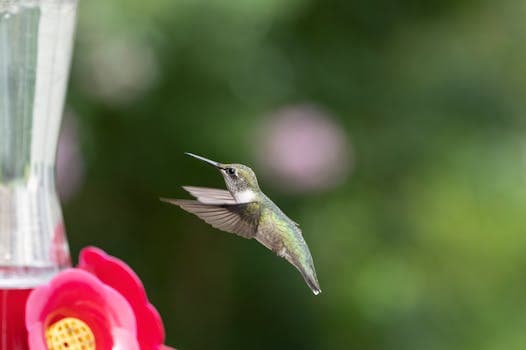
Place feeders away from windows, doors, and elevations where cats might wait in ambush. A short distance from windows is important because window collisions are a major danger for many species. Opt for feeders with an enclosed seed tray to minimize seed scatter that could attract unwanted rodents or create messy areas for pets to explore. Consider feeder designs that deter squirrels and area-based guards to reduce feeding opportunities for opportunistic pests, while still welcoming a variety of small birds.
Regular maintenance matters. Clean feeders every two weeks or sooner if you notice mold, spoiled seeds, or accumulated droppings. Clean feeders reduce disease risk and discourage pests that could irritate or scare away birds. If you want practical safety guidance around aquatic or water-based hazards, you can explore topics like the safety of aquatic environments and how birds interact with water features in related discussions. In addition, keep an eye on seasonal cleaning needs and replace worn parts to prevent feeder malfunctions that could inadvertently harm birds or pets.
3. Keep windows and reflective surfaces safe for birds
Window collisions are tragically common. Birds see reflections of trees and skies in glass and often fly straight into panes. Minimize this risk by applying visible decoys or decals on windows, especially in rooms where birds are likely to be present or where pets have frequent access. Netting can also reduce the chance of a bird becoming trapped indoors or outside the home environment where a pet might intervene. If you have large glass doors or multiple windows, consider a combination of decals, films, and light-diffusing covers to create multiple cues that help birds recognize the barrier.
Another tactic is to place feeders and bird baths away from windows. If birds must be near a window, consider adjustable screens or potted plants that create a natural buffer. While you’re improving safety for birds, you may find that you’re also reducing pet-chasing incidents around reflective surfaces. If you’re curious about how to protect aquatic habitats and birds’ safety near water, there are resources that cover similar themes of safety around water and wildlife interactions. Creating a multi-layered approach to reflection avoidance—covering windows, glass doors, and reflective surfaces—helps birds and pets share the same space more peacefully.
4. Create safe watering and bathing options away from pets
Birds need clean water for drinking and bathing, especially during hot weather. A shallow bird bath in a sheltered, quiet corner can be an inviting resource for local birds. Position the bath where it’s easy for birds to access but difficult for pets to pounce, such as near a fence line or dense shrubbery that offers quick cover if a predator appears. A drip or splash feature can attract curiosity, but ensure there is a safe landing zone and that the water depth remains shallow enough for small birds.

Maintenance is key. Change the bath water every day or two and scrub with a mild brush and unscented soap to prevent algae, bacteria, and mold. Stagnant water becomes a hazard for both birds and pets, so regular changes are essential. If you share concerns about aquatic safety more broadly, you can find related guidance that discusses how to keep shelled and other animals safe around water in nearby posts, and consider reading about the role of safe aquatic environments for wildlife. Additionally, position water sources in shaded areas to reduce evaporation and discourage heat-related stress for visiting birds.
5. Choose pet-safe landscaping and garden practices
What we plant and how we manage our yards directly affects bird safety. Native plants attract local insects and provide natural food sources for birds, while offering cover from predators. A diverse, layered garden with shrubs, grasses, and small trees creates safe flight corridors and hunting opportunities for birds without making them easy targets for pets. Aim for a landscape that supports year-round bird activity, including winterthawing food sources and shelter during storms or extreme weather.
When selecting landscaping materials, avoid toxic plants that could harm birds or pets if ingested. Keep chemical use to a minimum and opt for natural, wildlife-friendly pest management strategies. Mulch should be used with caution around play zones to reduce ingestion risks for curious pets and to prevent birds from becoming ensnared by loose debris. If you’re exploring how pet ownership intersects with broader wildlife laws, you may also be curious about localized restrictions that affect animal interactions in your area, such as California regulations around certain pets. For an example of how regulatory frameworks can shape pet and wildlife interactions, you can review content that examines related topics such as ferret legality in different regions. In addition, consider native-friendly lawn alternatives and pollinator-friendly plantings that sustain local ecosystems while maintaining pet safety rules.
Practical tips for ongoing bird safety
Here are quick, actionable steps you can implement this weekend to boost bird safety in your home and yard:
- Supervise outdoor playtime for pets, especially during dawn and dusk when birds are most active.
- Place feeders and water sources in sheltered spots away from high-traffic pet areas.
- Install simple window safeguards like decals or screens to reduce collisions.
- Keep cats indoors at night or use a leash or harness during outdoor time.
- Maintain a clean, clutter-free yard to minimize hiding spots for predators and pests.
- Choose native plants that support birds through the seasons and reduce the need for chemical interventions.
- Schedule routine yard maintenance to avoid disrupting nesting birds during sensitive periods.
Understanding the bigger picture
Bird safety in domestic settings sits at the crossroads of pet care, wildlife welfare, and ecosystem health. When pet owners adopt bird-friendly habits, they help reduce bird mortalities from window strikes, predation, and unsafe feeding practices. This approach also aligns with broader conservation goals that many households support through mindful choices at home and in the community. The cumulative effect of small changes across neighborhoods can create a broader pattern of safer urban wildlife interactions and resilient local ecosystems.
Of course, every home is different. You may live in an apartment with a balcony, a suburban yard, or a rural property with mixed habitats. The core ideas stay the same: provide safe, inviting spaces for birds, reduce risks from pets, and practice regular observation. By paying attention to birds’ behavior and adjusting your routines, you create a win-win scenario. You get the joy of watching birds up close, and they navigate a safer urban landscape. Staying curious, adapting to seasonal changes, and sharing your experiences with neighbors can amplify the impact and foster a community of wildlife-aware households.
Conclusion
Small changes in how we manage pets and outdoor spaces can make a meaningful difference in wild birds’ safety. By designing pet-free or pet-controlled zones, choosing bird-friendly feeding practices, protecting birds from windows, offering safe water sources, and cultivating wildlife-friendly landscapes, we create healthier environments for birds and more harmonious homes for our companions. The recommended steps are practical, scalable, and adaptable to various living situations, from apartments to large backyards.
Birds bring a sense of wild wonder to our daily lives. With thoughtful care and practical steps, pet owners can enjoy that wonder while ensuring birds stay safe and scarce hazards are minimized. Your backyard, balcony, or courtyard can become a model of coexistence, proving that responsible pet ownership and wildlife welfare can go hand in hand. By maintaining a mindset of continuous improvement, you invite birds to visit more often and with greater confidence, while your pets learn to live safely alongside their feathered neighbors.