Home
Home
When pet owners think about nutrition, the focus often sits squarely on the needs of the individual animal. However, feeding choices can ripple through local ecosystems, influencing wildlife health and the balance of nearby habitats. This article explores how to balance your pet’s diet with considerations for local wildlife health, supported by practical steps, evidence-based guidance, and links to trusted resources. The goal is to help pet owners make informed decisions that protect both domestic companions and the broader ecological community.
Why Local Wildlife Health Matters to Pet Diets
Local wildlife health reflects the integrity of an ecosystem. Pets and their dietary patterns can indirectly affect these systems through food waste, nutrient leaching, and interactions with wild species. For example, improperly disposed scraps can attract opportunistic feeders, alter natural foraging behaviors, and increase disease transmission risk between wildlife and domestic animals. Understanding these dynamics helps owners tailor diets in ways that minimize ecological disruption while meeting their pets’ nutritional needs.

Key Concepts in Balancing Diets and Ecosystems
- Nutritional adequacy: ensure your pet receives complete and balanced nutrition to reduce the temptation to scavenge or rely on human foods.
- Waste management: minimize food waste that could attract wildlife and promote healthier, more predictable digestion for pets.
- Disease awareness: reduce risks of cross-species disease transmission by avoiding feeding practices that bring wildlife into close contact with pets.
- Hungry wildlife dynamics: recognize how seasonal food shifts in the environment influence wildlife activity near homes and the potential interaction with pets.
Assessing Your Pet’s Current Diet: A Holistic View
Begin with a clear picture of what your pet is eating across meals, treats, and occasional human foods. A diet that is variable, imbalanced, or rich in processed snacks can drive appetite for scavenged items in the yard or neighborhood. Work with a veterinarian or a qualified animal nutritionist to evaluate macronutrient ratios, micronutrients, and caloric requirements aligned with your pet’s age, species, activity level, and health status. A well-formulated diet reduces the need for supplemental foraging, which in turn lowers interactions with wildlife.
Monitoring for Signs of Dietary Gaps
Watch for changes in energy levels, coat quality, stool consistency, and weight. These indicators can signal that a diet is not meeting needs, prompting changes that keep your pet satisfied without encouraging risky wild food sources. Regular check-ins with a veterinary professional help ensure that adjustments support both animal welfare and ecological considerations.
Strategies to Reduce Wildlife-Attracting Feeding Habits
Several practical strategies can balance pet nutrition with wildlife health by limiting attractants, controlling waste, and encouraging responsible feeding practices. Implementing these steps supports a healthier local wildlife population while maintaining your pet’s well-being.
1) Create a Defined Feeding Routine
Establish fixed feeding times and quantities to minimize leftover food and erratic foraging behavior. Consider portioning meals into measured amounts and removing any uneaten food after a short digestion window. This reduces the chance that wildlife will encounter scraps in yards or outdoor spaces.
2) Secure Waste and Food Storage
Store pet food in sealed, wildlife-proof containers and clean feeding areas regularly. Preventing access to waste and scraps lowers wildlife visitation, supporting healthier habitats around your home. Clean up promptly after meals to avoid leaving odors that attract scavengers.
3) Manage Outdoor Feeding with Care
If you feed pets outdoors, place bowls away from garden beds and wildlife corridors. Elevate feeding stations off the ground and away from dense shrubbery where wildlife might shelter or hide. This setup can reduce accidental encounters and disease transmission opportunities between pets and wildlife.
4) Dispose of Leftovers Responsibly
Avoid discarding table scraps in open trash or compost piles that wildlife can access. Use sealed bins and compost systems designed to deter wildlife intrusion. If you compost, avoid meat and dairy products that can attract larger scavengers and create odors that linger in the environment.
5) Consider Local Species and Diet Impacts
Different ecosystems host diverse wildlife with unique dietary needs. For example, some communities host waterfowl, other bird species, or small mammals that rely on specific food sources seasonal patterns. Understanding the local fauna can guide decisions about what not to feed, and when not to feed, to prevent disturbances to local foraging dynamics.
Species-Specific Considerations: Aligning Pet Diets with Environmental Health
Every pet species has distinct nutritional requirements. Balancing those needs against wildlife health involves thoughtful choices about ingredients, feeding frequency, and the broader ecological footprints of pet foods. Below are considerations tailored to common companion animals, with a focus on reducing ecological impact.
Dogs: Tailoring Diets to Reduce Scavenging
Dogs often explore the environment while searching for additional calories, including scraps. A high-quality dog diet that meets energy and nutrient needs can lessen the appeal of outside foraging. For specific dietary questions, consult your veterinarian, but a solid base is a diet with appropriate protein, fats, and fiber for your dog’s life stage and activity level. For more details on dairy considerations in canine diets, see our guide on rabbit diet basics.
Cats: Limiting Outdoor Foraging and Wildlife Exposure
Indoor feeding routines and enrichment reduce the urge for outdoor hunting and scavenging. If you allow supervised outdoor time, pair it with a predictable feeding plan indoors to support satiety. This approach helps maintain wildlife health by diminishing cat predation on birds and small mammals, which can impact local populations.
Small Mammals: Rabbits, Hamsters, and Pocket Pets
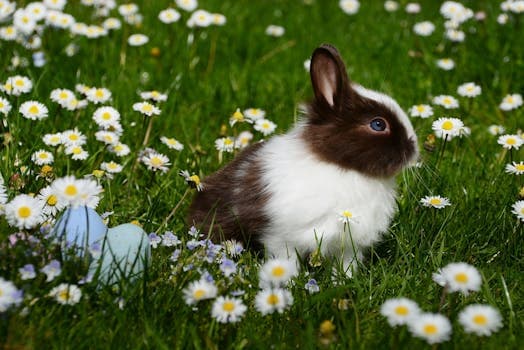
Rabbits and other small pets have diets that are easy to balance at home, reducing the likelihood of owners offering unsafe garden treats. For rabbits, a structured diet rich in hay, fresh greens, and appropriate pellets supports digestive health and minimizes the risk of seeking extra nutrients outside the enclosure. For further guidance, see our guide on rabbit diet basics.
Birds and Waterfowl in Local Areas
Birds and waterfowl encounter yards and gardens where people may feed them or leave scraps. Deliberate feeding of wildlife is discouraged in many regions because it can alter migration patterns and lead to disease transmission. If you’re curious about what wild ducks eat in natural settings, our resource on ducks in the wild offers useful context.

Linking Pet Diets to Wildlife Health: A Practical Framework
Connecting the dots between pet nutrition and wildlife well-being requires a structured approach. Start with a robust veterinary nutrition plan, integrate environmental stewardship principles into daily routines, and stay informed about local wildlife health concerns. The following framework helps translate the science into actionable steps for families and communities.
Framework Step 1: Nutritional Adequacy for Pets
A nutritionally complete diet reduces the drive to scavenge. Before making major changes, consult a veterinarian to ensure the diet aligns with life stage, activity level, health status, and any food allergies. This step minimizes reliance on outside food sources that could draw wildlife into residential areas.
Framework Step 2: Waste Reduction and Food Placement
Efficient waste management reduces attractants. Use wildlife-resistant containers, keep yards clean, and avoid leaving food waste in accessible locations. This practice contributes to healthier local wildlife populations by decreasing opportunities for disease transmission and artificial feeding pressures.
Framework Step 3: Behavioral Enrichment and Feeding Psychology
Behavioral enrichment for pets can help satisfy natural curiosity without relying on foraging outside. Puzzle feeders and supervised outdoor play with structured food rewards can channel natural instincts into safe, indoors-led activities that support mental and physical health while limiting environmental exposure to wildlife.
Framework Step 4: Community and Policy Engagement
Engage with neighbors and local wildlife authorities to align feeding practices with regional guidelines. Community education reduces inconsistent practices that may degrade wildlife health. When communities coordinate, the cumulative effect on local ecosystems is greater and more sustainable.
Case Studies: Real-World Scenarios
Understanding how these practices work in practice can help you adapt to your local environment. Here are two hypothetical scenarios illustrating common challenges and practical solutions that protect wildlife health while meeting pet nutritional needs.
Scenario A: Suburban Yard with Frequent Bird Visitors
A family notices many birds accessing birdseed spilled from a feeder near the garden. To balance this, they switch to a wildlife-proof feeder design, place seed higher off the ground, and ensure the family’s dog is on a consistent feeding schedule indoors. They also reinforce proper waste disposal and avoid leaving scraps that could attract birds. The result is a healthier bird population and less competition for natural food sources.
Scenario B: Small Urban Apartment with a Curious Cat
A cat owner keeps meals indoors and uses interactive toys to provide mental engagement. Outdoor time is limited and supervised, with a focus on enrichment indoors. The owner removes attractants by securing trash and minimizing open windows where birds or rodents might be drawn. Results include reduced wildlife encounters and stable cat health through a consistent indoor diet plan.
Practical Resources: What to Read Next
For more detailed guidance on pet nutrition and seasonal adjustments, explore our curated resources. For example, dairy considerations in canine diets provide insights into how certain human foods fit into balanced nutrition. Additionally, a broader discussion on wild diet patterns can be found in our piece about wildlife release and management.
Balancing pet diets with local wildlife health is a shared responsibility that benefits animals, ecosystems, and human communities. By focusing on nutritional adequacy, waste management, and responsible feeding practices, owners can safeguard wildlife health while ensuring pets thrive. This integrative approach aligns veterinary science, environmental stewardship, and everyday pet care into a sustainable path forward for healthier local ecosystems.
Frequently Asked Questions
Q: Can feeding pets outdoors harm wildlife health?
A: Yes, especially if it creates attractants or leads to disease transmission. Structured indoor feeding and responsible waste management reduce these risks.
Q: How can I tell if my pet’s diet is causing them to seek out outside food?
A: Look for increased begging, scavenging behavior, weight fluctuations, or digestive issues. Consult a veterinarian to adjust the diet accordingly.
Image Credits and Visual Aids
Images accompanying this article illustrate healthy indoor feeding setups, wildlife-friendly yard practices, and enrichment activities for pets. These visuals help readers apply the concepts discussed here to everyday life.