Home
Home
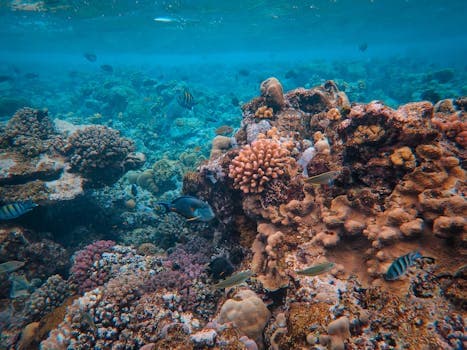
Coral reefs are more than just beautiful underwater ecosystems. They protect coastlines from storms, support fisheries, and host an astonishing diversity of life. When reefs thrive, the oceans stay healthier, and so does the broader environment that intersects with our daily routines – from the food we buy to the water we use for our aquariums and gardens.
Yet coral reefs face multiple threats, including warming waters, pollution, overfishing, and destructive coastal development. Each of these pressures is magnified when communities lack coordinated action. The good news is that ordinary readers can become powerful advocates for reef protection by applying practical steps at home and in local networks. This guide translates big conservation goals into everyday actions you can start today.
What Makes Coral Reefs So Vulnerable – and So Important
Corals are animals, not rocks, and they live in a delicate symbiosis with tiny algae called zooxanthellae. When water gets too warm, corals expel these algae and turn white – bleaching that damages growth and, if prolonged, leads to die-off. Warmer oceans also shift suitable habitats, which disrupts the food chains that many species rely on. For reef lovers and anyone who values biodiversity, protecting reefs helps preserve natural sources of inspiration for aquarium design, natural history learning, and the ethical framework that guides responsible ownership.

Reef protection also connects to everyday pet care. Plastic pollution, for example, risks all wildlife – from seabirds to sea turtles – who may ingest debris while foraging. The same litter can eventually reach coastal areas where runoff affects water quality, which matters if you keep an indoor fish or reptile tank. Understanding this big picture helps readers see how small, local choices ripple outward to protect the habitats that sustain marine life.
Key Threats to Coral Reefs
- Rising sea temperatures and ocean acidification
- Pollution from plastics, chemicals, and stormwater runoff
- Overfishing and destructive harvesting practices
- Coastal development and sedimentation
Each threat requires different, practical responses. Fortunately, you don’t need to be a scientist to make a measurable difference. Community action, backed by solid information and clear citizen participation, can slow reef decline and help reefs recover when conditions allow.
How Community Action Can Save Reefs
Community action combines awareness, volunteerism, policy influence, and everyday lifestyle choices. The aim is to create a positive feedback loop: informed residents lead to better local decisions, which reduce reef stress and improve water quality. Here are concrete ways to participate that stay accessible to busy readers.
1) Support and Join Local Reef-Friendly Initiatives
Start by finding local conservation groups, beach cleanups, and citizen science projects that track reef health. Even if you live inland, you can participate in community science programs that monitor coastal runoff or educate neighbors about litter reduction. Regular participation builds a network of advocates who can push for better land-use planning and pollution controls.
As a practical step, sign up for a local reef-friendly volunteer day or join a citizen science project that records water quality in nearby rivers or estuaries. These activities produce data that can influence municipal decisions about wastewater treatment, green infrastructure, and coastal protections.
2) Reduce Ocean Roadblocks: Everyday Waste and Pollution
Reduce plastic consumption, properly dispose of chemicals, and support recycling programs. Readers can minimize ocean-related waste by choosing reusable solutions, such as cloth bags for groceries, stainless steel water bottles, and recyclable packaging for supplies. Small changes add up when many households participate.
When you shop for supplies, look for items with minimal packaging or recycled-content materials. Avoid single-use plastics and support brands that disclose where their products come from and how they reduce environmental impact. This signals to retailers that reef protection matters to consumers.
3) Advocate for Cleaner Coasts and Sustainable Fisheries
Community action includes urging local leaders to adopt shore-cleanup programs, improve stormwater management, and enforce sustainable fishing practices. Readers who enjoy coastal activities can attend town hall meetings, submit comments on development plans, and participate in public education events about reef resilience. Your voice, paired with others, helps shape policies that protect reef ecosystems for future generations.
4) Support Marine Protected Areas (MPAs) and Research
MPAs protect critical reef habitats by limiting destructive activities and supporting ecosystem recovery. Citizens can advocate for the expansion and proper funding of MPAs, and participate in public outreach that explains how these protections benefit fisheries and biodiversity. When communities understand the science behind MPAs, they’re more likely to comply with regulations and support enforcement efforts.
5) Safe and Ethical Pet Ownership as a Reef-Positive Practice
Pet ownership can align with reef protection by promoting responsible sourcing, humane husbandry, and awareness of the environmental footprint of pet care. For example, choosing responsibly sourced toys, avoiding items made from unsustainable materials, and supporting brands with transparent supply chains all reinforce a reef-positive lifestyle. When readers model sustainable choices, families become ambassadors for reef-friendly behavior in their circles.
Practical Actions for Readers Right Now
Even if you live far from the coast, you can take practical steps today to contribute to coral reef protection. The following actions are quick to adopt and easy to sustain, while still fitting a busy lifestyle.

1) Reduce Your Plastic Footprint
Move toward reusable, durable products and avoid single-use plastics. Keep a small set of containers for storing supplies, and choose packaging made from recycled materials. When you do encounter plastic waste on beaches or streets, participate in a local cleanup or organize a family event to collect litter during a weekend hike.
2) Choose Eco-Friendly Pet Products
Look for brands with clear environmental policies and certifications. Opt for toys and accessories made from natural materials, and prefer packaging that’s recyclable or compostable. Reading labels helps you pick options that minimize pollution and reduce microplastics entering waterways.
3) Support Local Green Infrastructure
Ask your municipality about rain gardens, bioswales, and green streets that filter runoff before it reaches rivers and oceans. If your home lacks space for a garden, join or sponsor a community garden that uses native plants to absorb rainwater. These measures improve water quality at the source and protect coastal ecosystems indirectly.
4) Volunteer and Educate in Your Community
Volunteer at reef-related events, classroom education days, or library talks. Sharing simple reef science with neighbors builds a culture of stewardship. You can host a small, home-based learning session about how everyday choices affect oceans and coral health.
5) Engage with Responsible Aquatic Hobbyists
If you keep aquatic pets, ensure your setups align with ethical practices. Use certified, responsibly bred fish and avoid invasive species in local ecosystems. Provide high-quality water conditions and avoid releasing aquarium pets into the wild, which can disrupt native ecosystems and harm coral habitats.
For readers who maintain reptile habitats or curiosities about terrarium care, you might explore related conversations on our site. Consider how knowledge translates into broader environmental stewardship by comparing terrarium waste management with coastal pollution controls.
Case Studies: How Communities Have Made a Difference
Across the globe, communities have pursued reef protection with tangible outcomes. A coastal town that implemented green infrastructure, reduced fertilizer runoff, and promoted sustainable seafood saw measurable improvements in water clarity and reef recruitment. Nearby schools started reef education programs, and families began volunteering for beach cleanups. The result was a ripple effect: residents behaved more sustainably, local businesses adopted reef-friendly practices, and visitors learned to respect protected areas.
Another example involves citizen science networks that monitor coral health using simple methods. Volunteers collect water samples, document bleaching events, and share data with researchers. This open data approach accelerates scientific understanding and informs policy decisions, showing how laypeople can contribute to meaningful conservation science.
What to Read Next: Resources for Reef Protection
Education and informed action go hand in hand. Seek out reputable sources that translate science into practical steps for families. Community libraries, zoos, aquariums, and nature centers often host events that connect reef health to everyday life. By staying informed, you can convert knowledge into concrete, repeatable actions at home and in your neighborhood.
If you’re curious about how animal care intersects with broader environmental stewardship, you can explore related topics on our site. For example, you might read about tank setup ethics to understand responsible housing and waste management, which parallels reef-friendly practices in coastal conservation.
Measuring Your Impact as a Reader
Tracking progress helps sustain motivation and demonstrate real-world benefits. Start by setting a monthly goal for reducing waste, supporting reef-friendly products, or participating in a local cleanup. Keep a simple log of actions you’ve taken, such as the number of bags saved by using reusable containers or the hours spent volunteering. Share your progress with family and friends to inspire broader participation.
Tips for Sustained Involvement
- Schedule recurring reminders for community cleanups or educational events
- Keep a “reef-friendly” shopping list to guide purchases
- Join or form a local reader reef club to share tips and organize actions
Key Takeaways for Readers
Coral reefs are vital to the health of marine ecosystems and, by extension, the health of the planet we share with our communities. Community action – driven by informed residents and supported by sustainable practices – can slow reef decline and foster recovery. The small actions you take in daily life can compound into meaningful protection for coral reefs and the broader oceans that sustain all living beings.